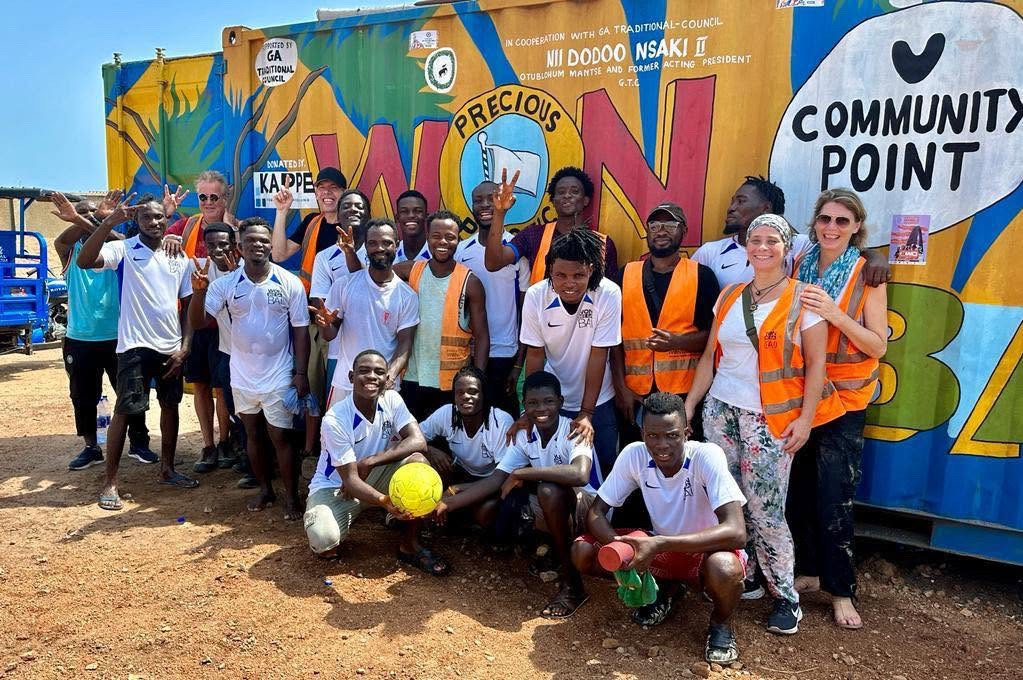
Ankwa Roots e.V. is a non-profit association based in Braunschweig, Germany. Together with our partner organisations in Ghana’s capital, Accra, we volunteer our time to promote cultural exchange between Ghana and Germany and protect the environment, which has become another important focus of our work in recent years.
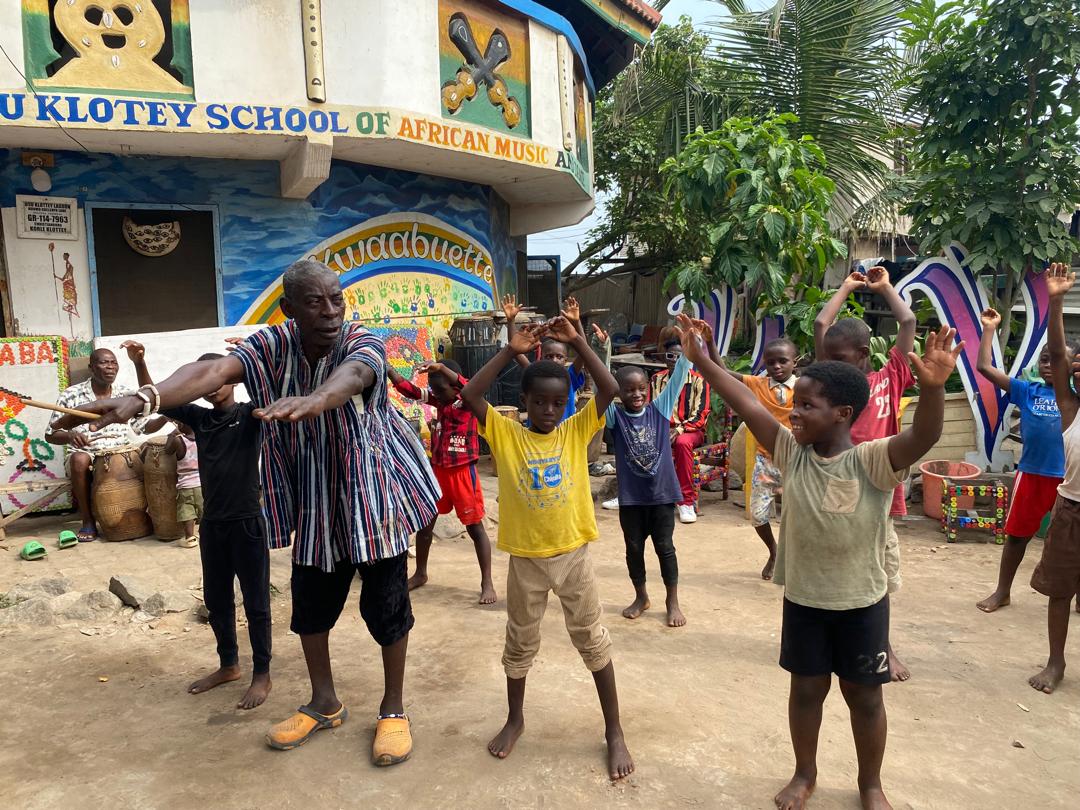
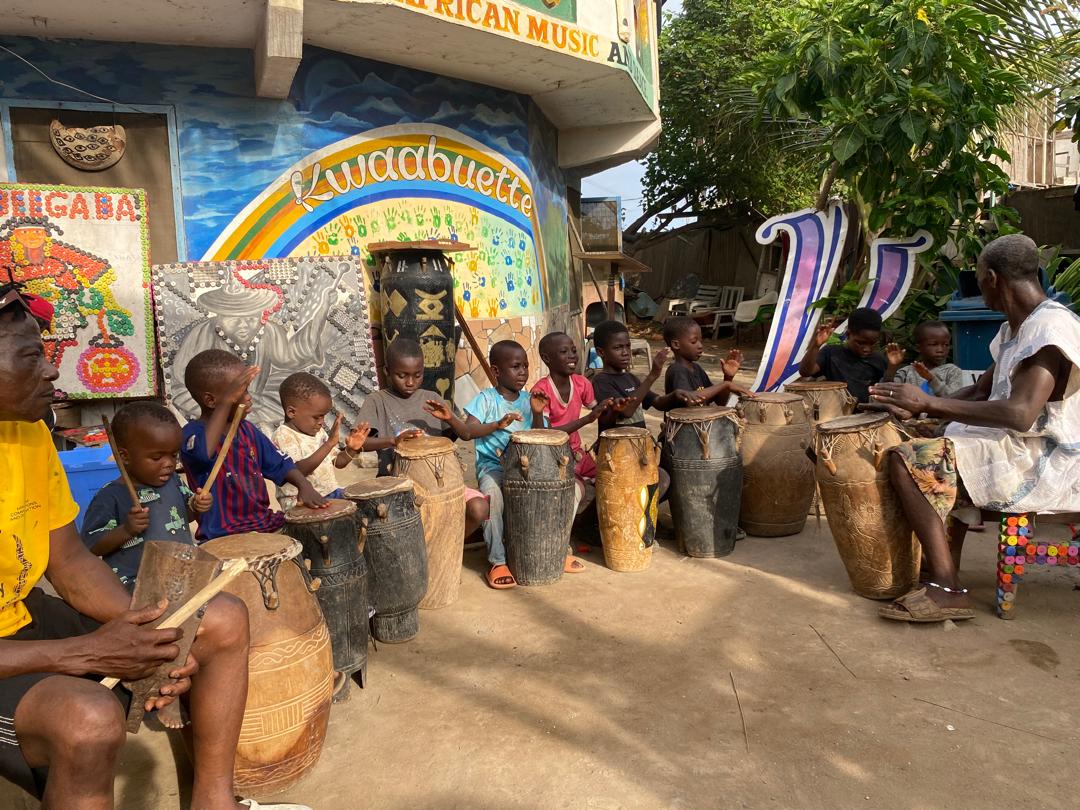
Our roots lie in music. We primarily support musicians and dancers who teach traditional songs, rhythms and dances to children and young people in Accra, keeping these traditions alive.
How it all began
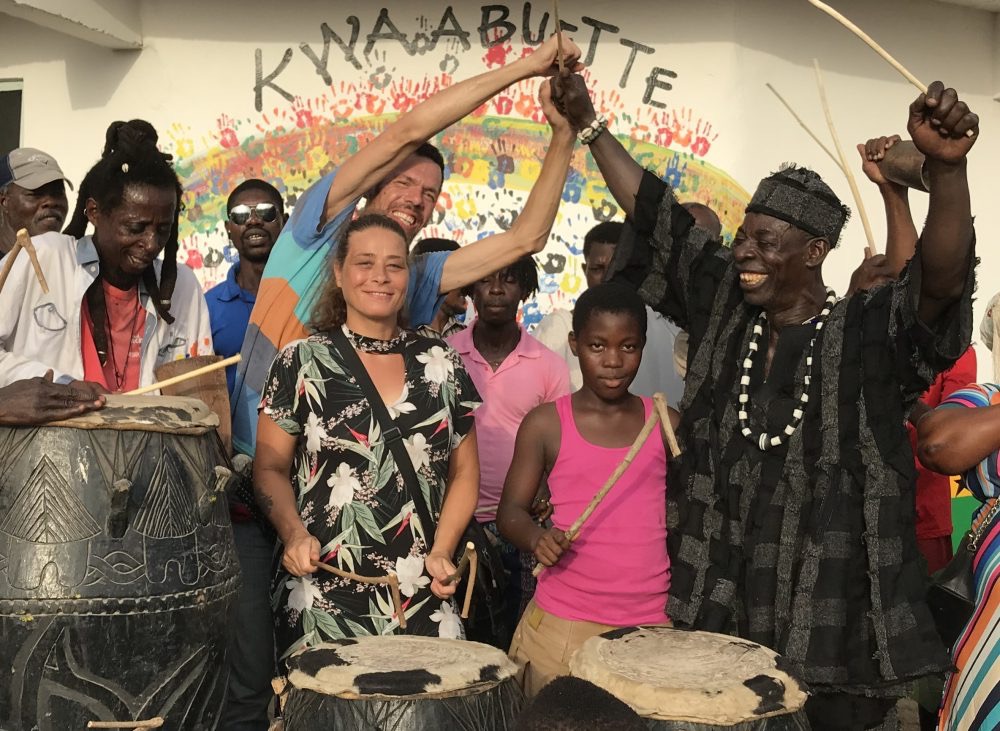
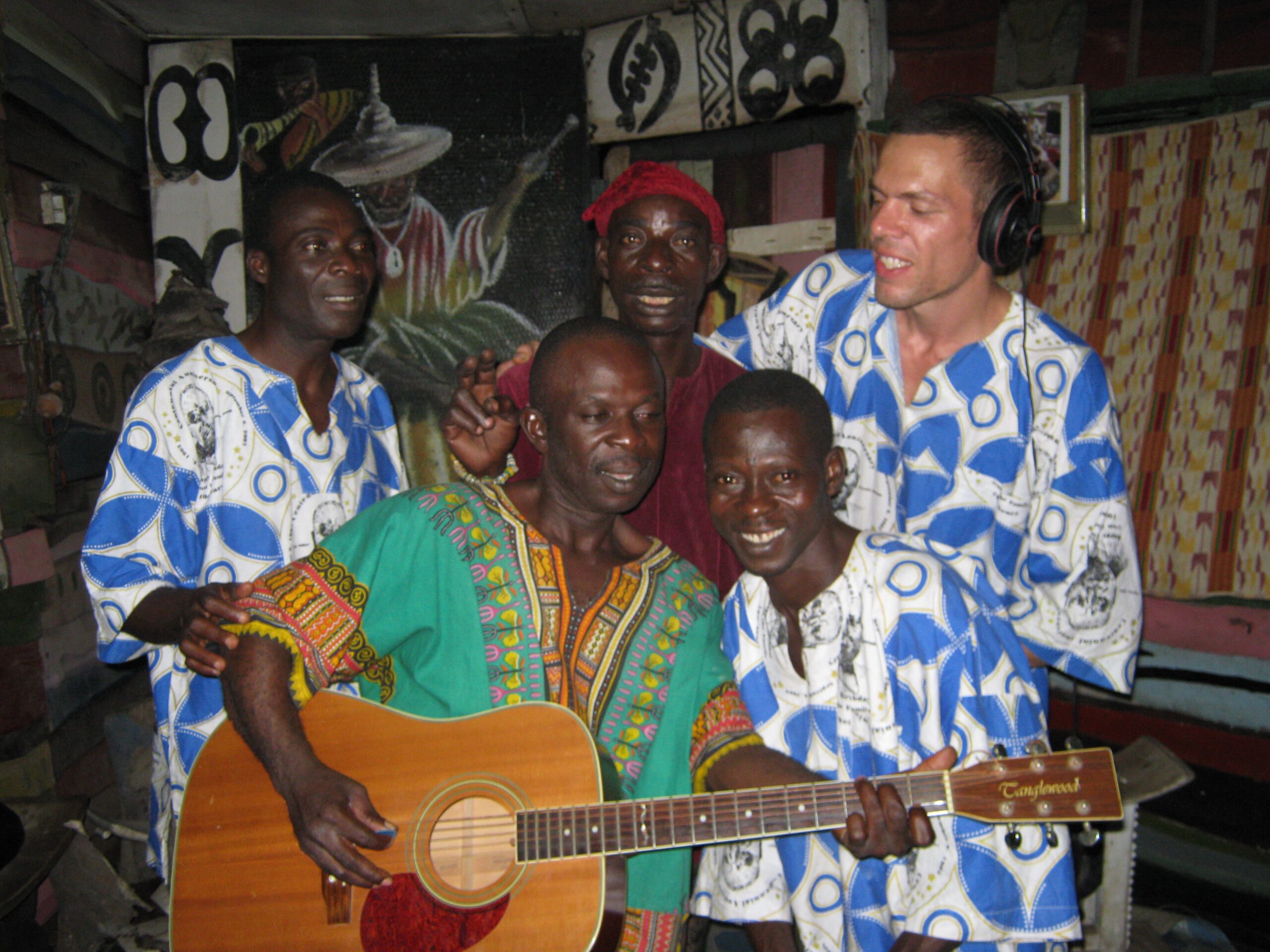
In 1997, at the age of 19, Claas Wiechmann travelled to Ghana for the first time as part of a volunteer programme. During a music project for children in Accra, he met the Ananse artists’ group and the Kwaabuette music and dance group. He was impressed by the initiative and dedication these artists showed in volunteering their time for children, young people and their community.
That first encounter grew into lasting friendships. Claas has returned to Ghana almost every year since. He initially supported the groups privately before founding Ankwa Roots e.V. with his wife Mandy and friends in 2007.
The name “Ankwa” brings together Ananse and Kwaabuette. Ananse is the wise spider from Ghanaian folk tales. For us, the spider’s web represents making connections and building networks. Kwaabuette means “rainbow” and symbolises the diversity and unity of different cultures and generations.
Over the years, a network of long-standing partners and collaborations in Ghana, alongside supporters and funders in Germany, has developed.
Keeping music alive and learning from one another
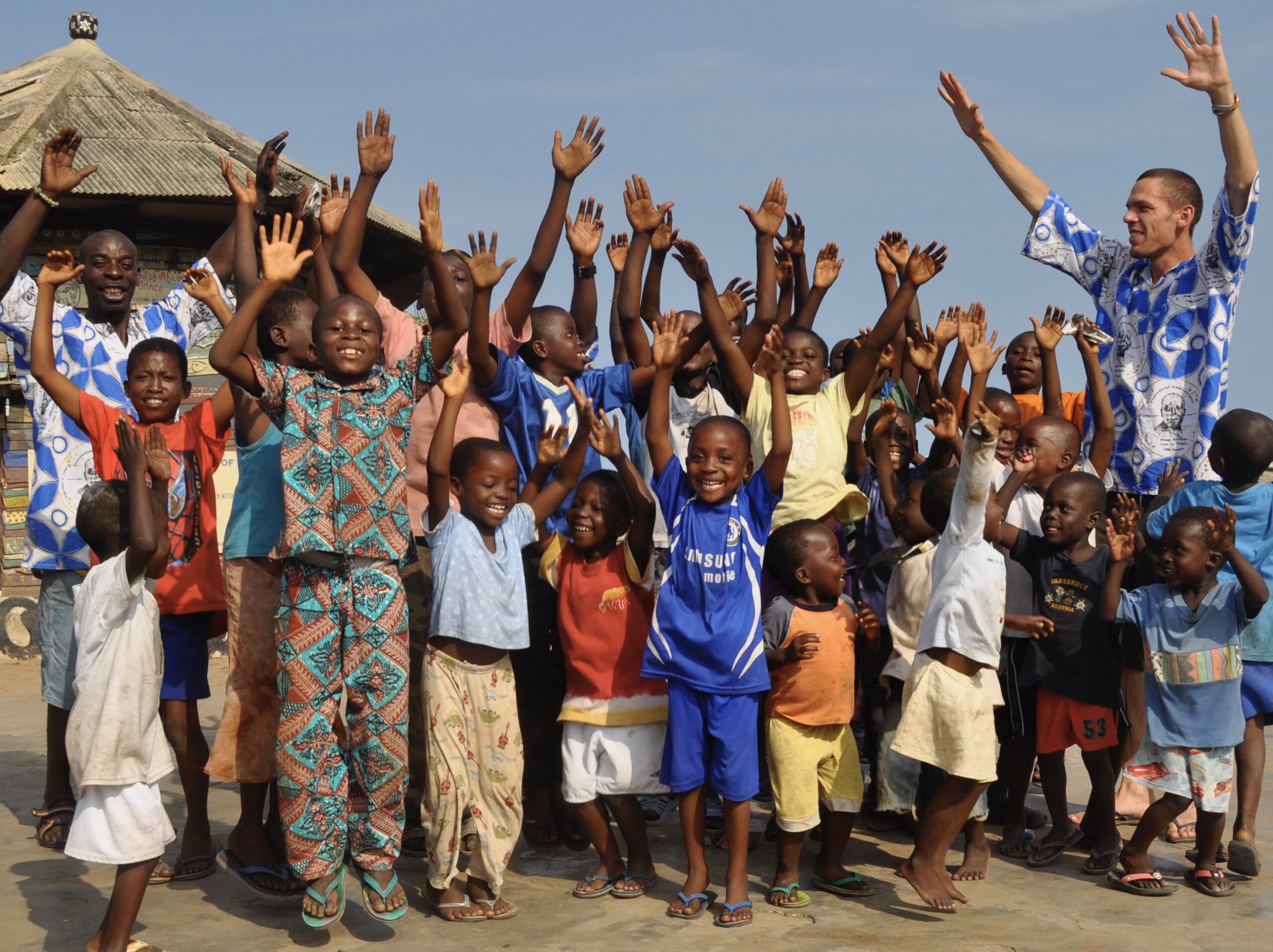
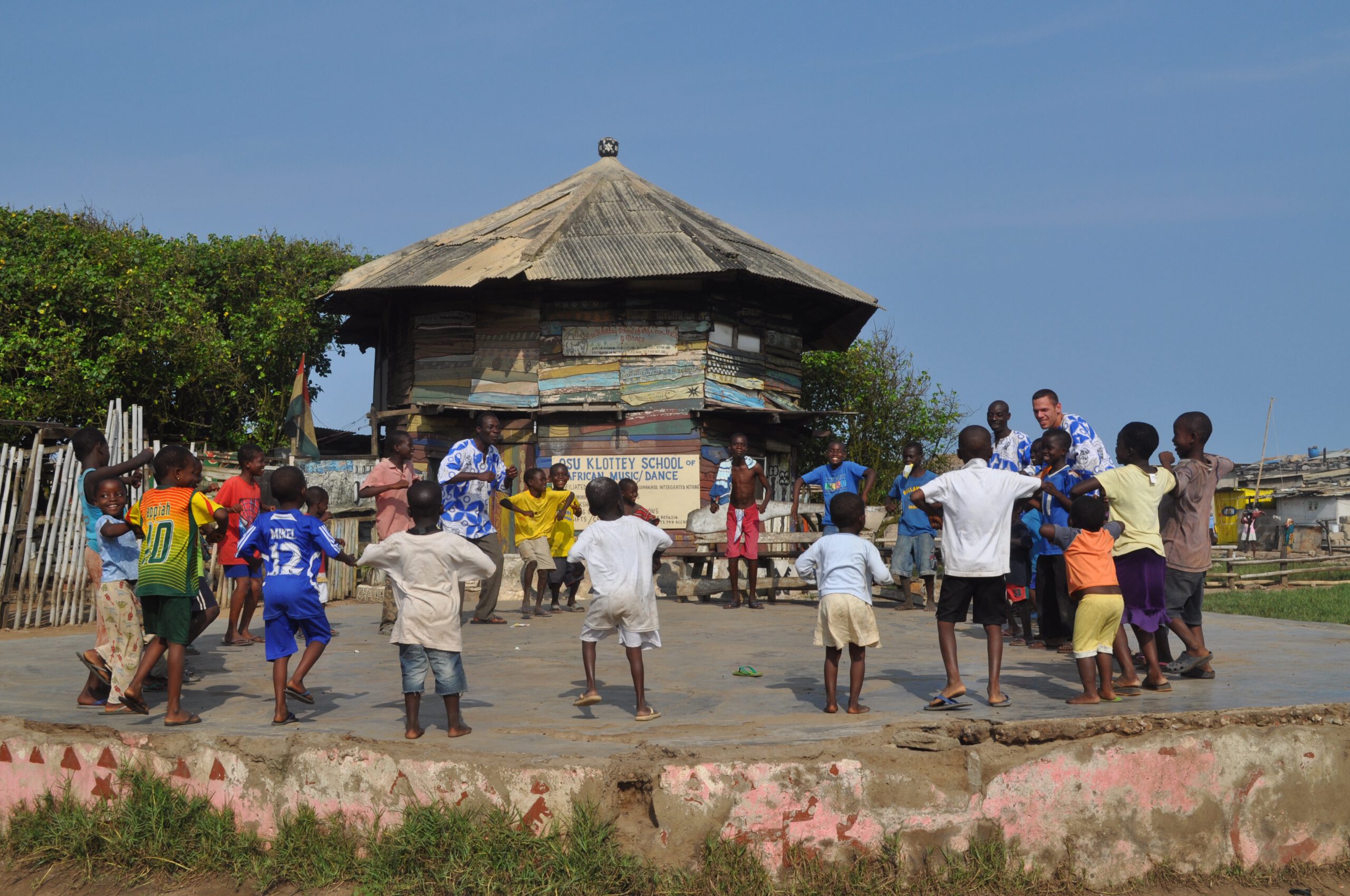
Supporting children and young people has been at the heart of our work from the beginning. One of our central projects is the Kwaabuette School of African Music and Dance, which we established together with our partners and extensively renovated and largely rebuilt in 2019. It is a place where musical traditions are passed on and community is part of everyday life.
For Mandy and Claas, Ghana has long been a second home. The friendships built over many years, a shared love of music and the rich cultural exchange continue to enrich and shape our association’s work.
Claas works as a social education support worker in Braunschweig. He studied educational sciences with a focus on media education at TU Braunschweig, in cooperation with the University of Art (HBK). He also brings his educational and media experience to the association’s work: for many years, he has documented our projects through photographs and videos. Through talks and film screenings, as well as social media, we share these insights and raise awareness of our partners’ commitment.
How environmental work became part of our mission
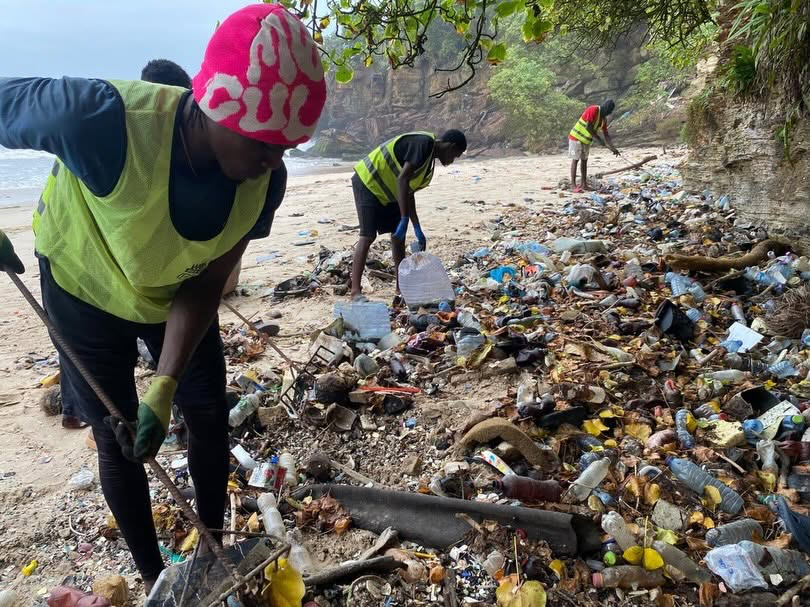
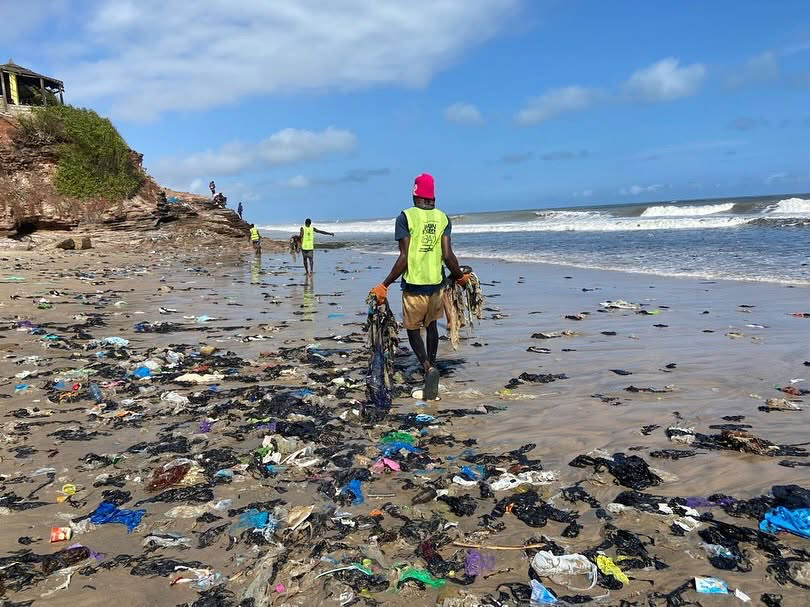
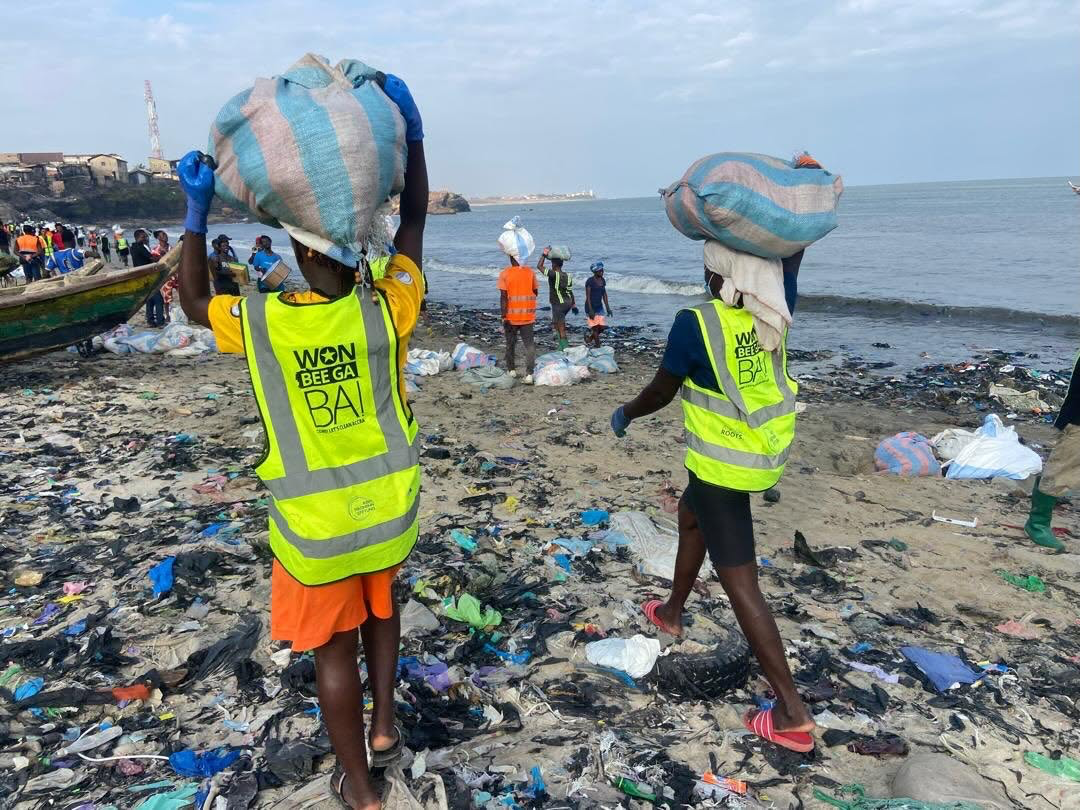
Our music and dance projects are located in central Accra, right on the Atlantic coast. Over the years, we have witnessed increasing pollution from plastic waste, washed-up textiles and other rubbish.
Aus kleinen Cleanups rund um unsere Projekte entstand eine enge Zusammenarbeit mit der Bürgerinitiative Won Bee Ga, Ba!, zu der ebenfalls langjährige Freunde gehören. Mit unserer Unterstützung und Begleitung ging daraus 2025 das Won Bee Ga, Ba! Development Project als registrierte Non-Profit-Organisation (NPO) und heutige Partnerorganisation hervor.
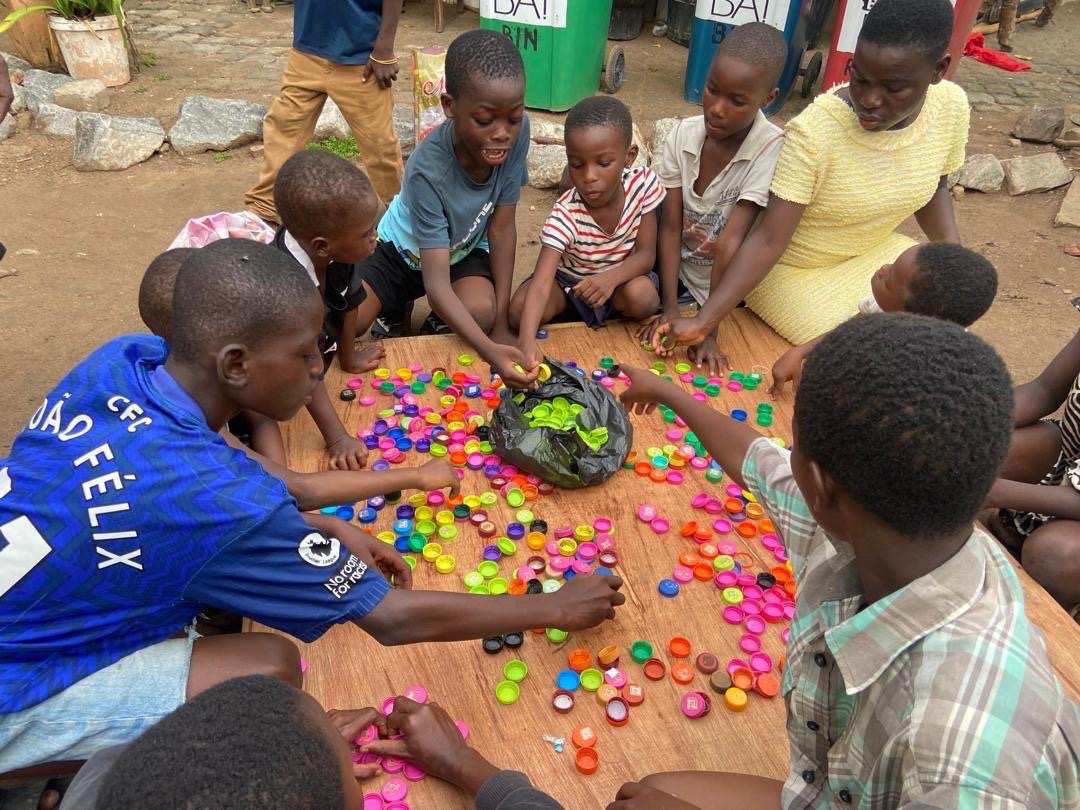
Creative environmental education is at the heart of this work. Together, we combine clean-ups with music, dance, art and sport. Through playful workshops for children and young people, we explore waste-related issues and the protection of our natural environment.
Taking responsibility together
Our work looks in both directions: in Ghana, we support environmental awareness and local solutions that build on our partners’ existing knowledge and ideas. In Germany, we raise awareness of the responsibility connected to our production, consumption and international flows of goods and waste.
Responsibility does not begin only where waste becomes visible. Alongside practical local solutions, we need changes in the Global North and binding regulations governing the handling of products and the international trade in waste.
To help achieve this, we continue to expand our networks, share experiences and bring people together. Our collaboration goes far beyond financial support. It is built on mutual trust and a shared commitment to culture, community and environmental protection.